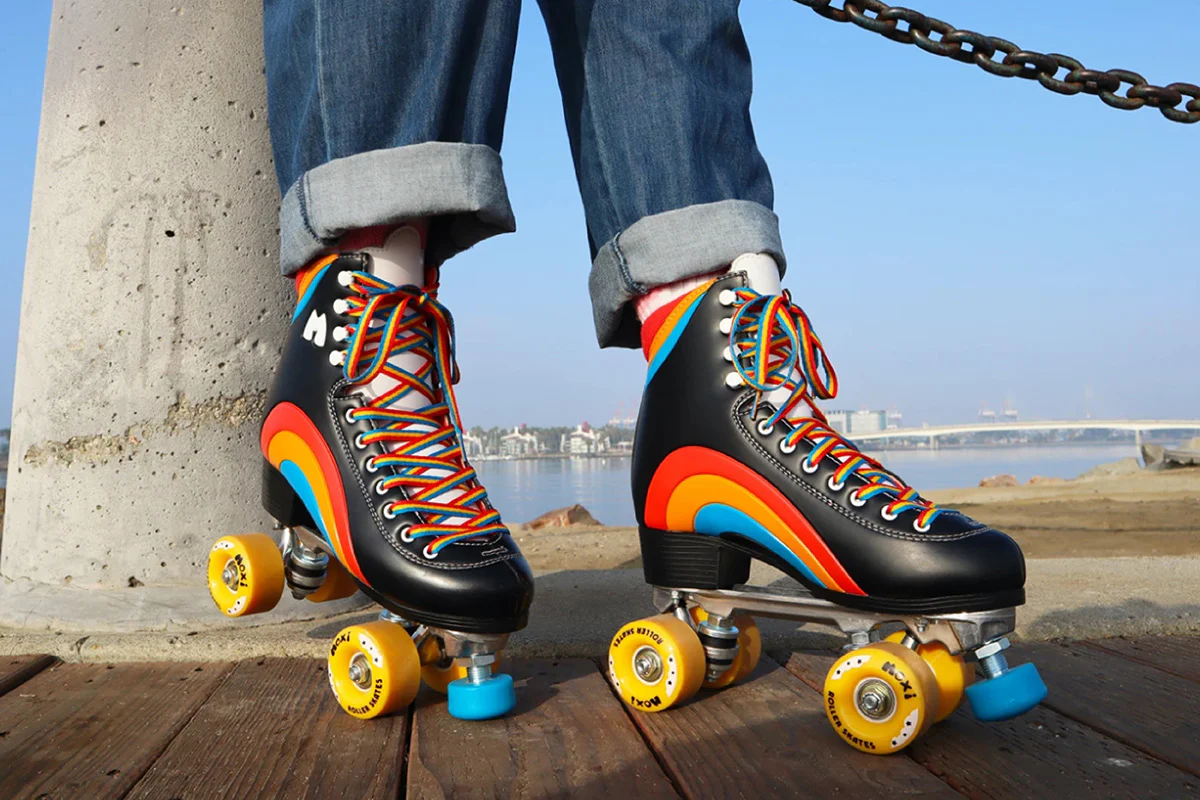
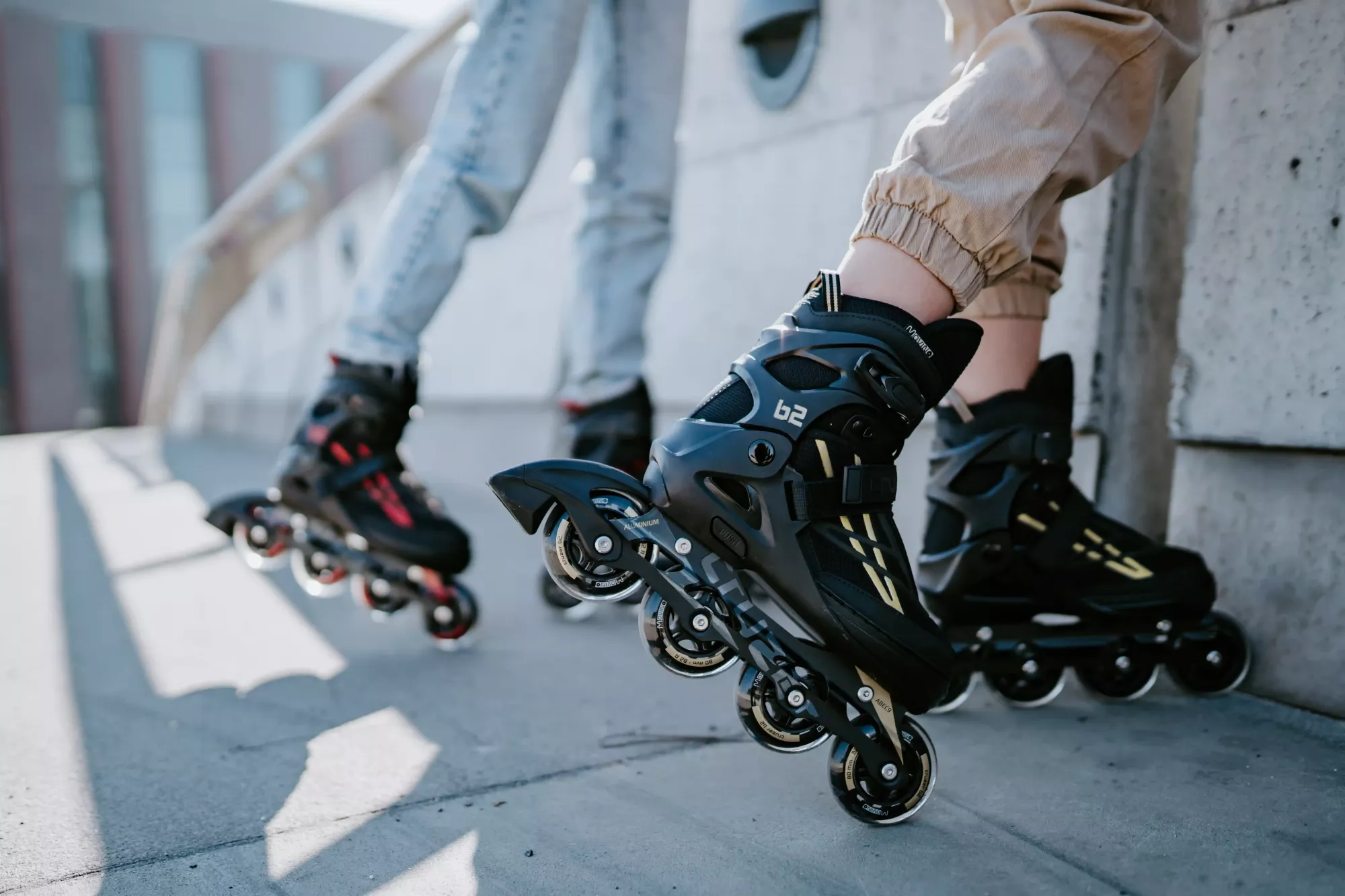
Selecting the right fitness inline skates is essential for comfort, performance, and injury prevention. Whether you're skating for cardio, endurance training, or recreational exercise, your setup should match your skating distance, skill level, and comfort preferences.
When choosing fitness inline skates, focus on three key aspects: size and fit, wheel size, and boot type.
Wheel Size
Wheel size significantly affects speed, stability, and maneuverability. The right size depends on how and where you plan to skate.
Long Distances
For longer workouts and endurance skating, opt for larger wheels (90–110 mm).
- Maintain speed more efficiently
- Roll smoother over cracks and rough pavement
- Require fewer strides to sustain pace
Short Distances
For shorter sessions or more controlled environments, choose smaller wheels (80–84 mm).
- Enhanced maneuverability
- Better control for beginners
- Quicker acceleration
Wheel Hardness
Wheel hardness is measured on the A-scale (durometer). For fitness skating, the recommended range is 78A–85A.
- Softer wheels (78A–82A): Better grip and smoother ride
- Harder wheels (83A–85A): Less rolling resistance and more speed
If you primarily skate outdoors on rough pavement, slightly softer wheels improve comfort. On smoother paths, firmer wheels maximize efficiency.
Boot Type
The boot construction influences comfort, ventilation, support, and power transfer.
Soft-Boot
- Lightweight and breathable
- Enhanced comfort for long sessions
- Ideal for recreational fitness skating
Hard-Boot
- Greater ankle stability
- Improved control and responsiveness
- Better for higher speeds and stronger pushes
Choose a soft-boot for comfort-focused workouts, and a hard-boot if you prioritize stability and performance.
Size and Fit
Proper sizing is critical for both comfort and control. As a general recommendation, select approximately one EU size larger than your typical shoe size.
Your toes should have slight wiggle room without excessive movement. A snug heel fit is essential to prevent blisters and maintain control.
Safety Gear
Even during fitness training, safety should always be a priority.
- Skate helmet: Protects the head, especially the back during falls
- Wrist guards: Help stabilize the hands, which are commonly used to break falls
Additional protection such as knee and elbow pads may also be beneficial, particularly for beginners.
Final Thoughts
The perfect fitness inline skates balance comfort, support, wheel size, and hardness based on your skating goals.
Choose the right setup for your distance and terrain, ensure a proper fit, and always wear protective gear — and you’ll enjoy a smoother, safer, and more effective workout.