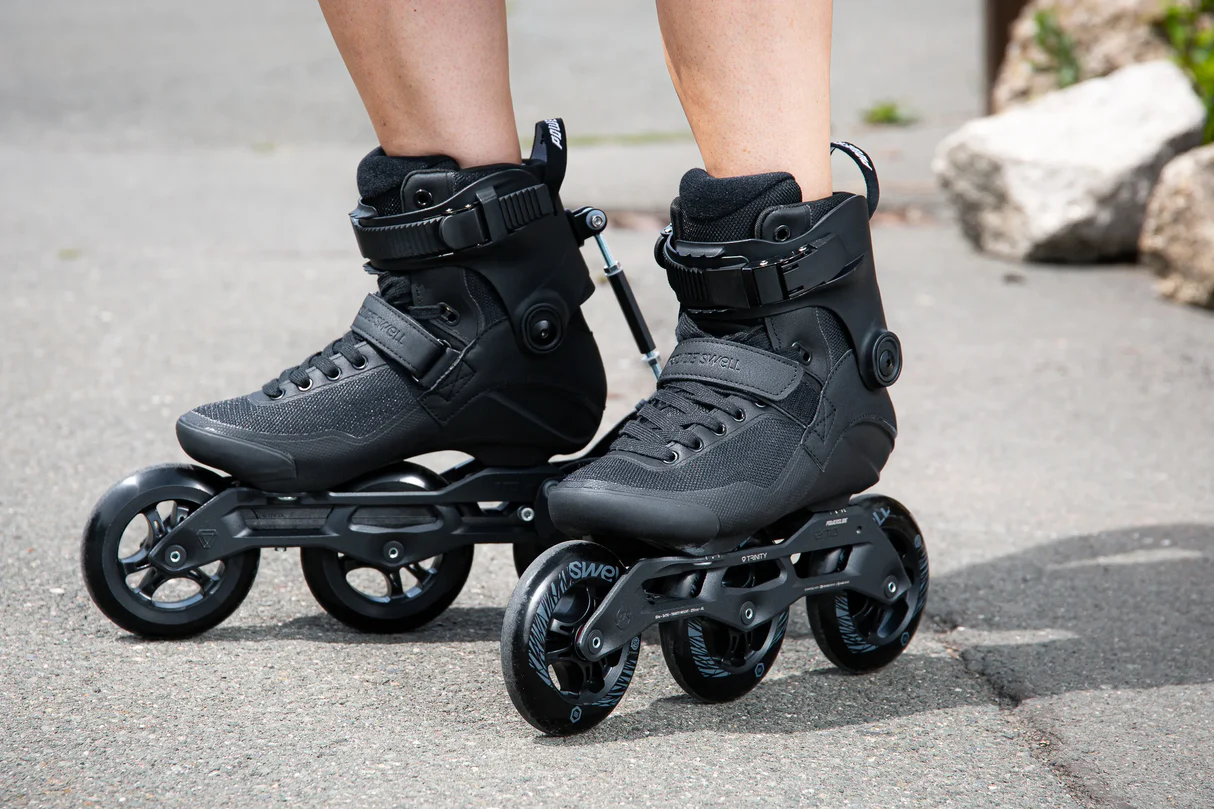
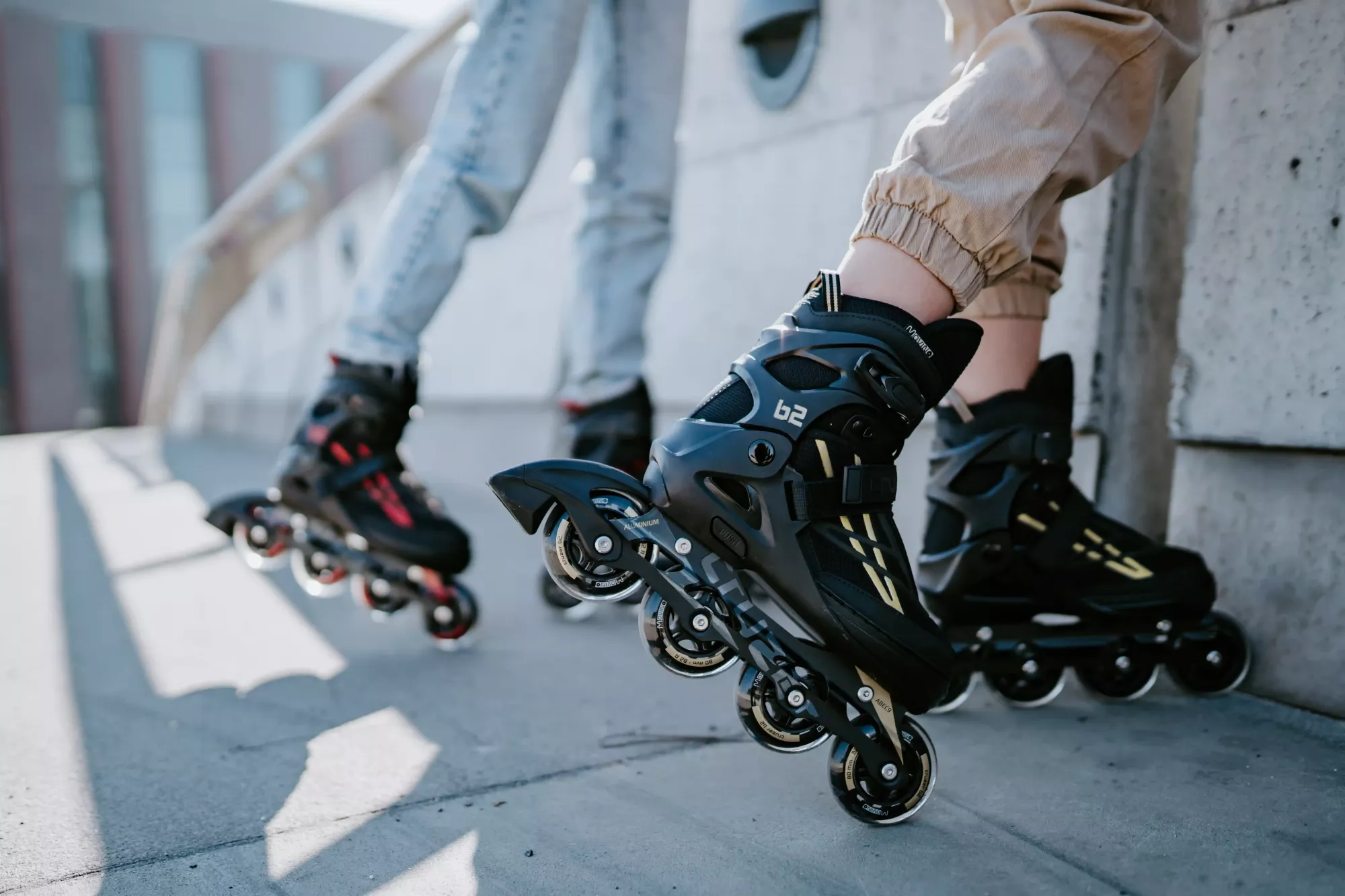
Mõtled rulluisutamisega alustamisele või otsid uut paari rulluiske? Olenemata sellest, kas oled algaja või soovid oma senist setup’i uuendada, on õige valik oluline nii mugavuse, turvalisuse kui ka sõidunaudingu jaoks.
See juhend aitab sul mõista suuruse valimist, saapa omadusi, plaadi (plate) materjale, rataste erinevusi ning kaitsevarustuse tähtsust, et leiaksid just endale sobivad rulluisud.
Õige suuruse valimine
Õige suurus on mugava ja turvalise sõidu aluseks. Alusta oma jala täpse mõõtmisega.
- Mõõda mõlemad jalad (arvesta suurema jalaga)
- Võrdle mõõtu tootja suurustabeliga
- Varvastel peaks olema kerge liikumisruum, kuid mitte liigne lõtk
Sageli soovitatakse valida umbes üks number suurem kui sinu tavapärane jalanumber, kuid see sõltub brändist ja mudelist.
Rulluisu saapad
Saabas mõjutab otseselt nii mugavust kui ka kontrolli. Erinevad omadused sobivad erinevate sõidustiilide jaoks.
Mida silmas pidada:
- Pehmendus: tagab mugavuse pikematel sõitudel
- Jäikus: annab stabiilsuse ja parema juhitavuse
- Lõige (kõrgus): kõrgem saabas pakub tugevamat pahkluu tuge
- Kontsa kõrgus: kõrgem konts parandab kehahoiakut tantsu- ja kunstisõidus
Algajad eelistavad tihti jäigemat saapa konstruktsiooni, mis annab rohkem tuge ja kindlustunnet.
Rulluisu plaadid (Plate)
Plate ehk alusplaat ühendab saapa ratastega. Materjal mõjutab kaalu, vastupidavust ja reageerimiskiirust.
- Nailonplaat: kerge ja mugav, sobib hästi algajale
- Alumiiniumplaat: tugev ja vastupidav, sobib intensiivsemaks sõiduks
- Klaaskiudplaat: tasakaal tugevuse ja kaalu vahel
Vali materjal vastavalt oma sõidustiilile ja kasutuskoormusele.
Õigete rataste valimine
Rataste kõvadus mõjutab haarduvust, kiirust ja kontrolli. Õige valik sõltub sellest, kus ja kuidas sõidad.
- Pehmed rattad (78A–82A): sobivad õues sõitmiseks ja karedale pinnale
- Keskmise kõvadusega rattad (80A–85A): sobivad tantsimiseks ja harrastussõiduks
- Kõvad rattad (95A–100A): sobivad agressiivsemaks sõiduks ja siledale sisepõrandale
Pehmemad rattad pakuvad paremat haarduvust ja mugavust, kõvemad rattad aga suuremat kiirust ja lihtsamat libisemist.
Kaitsevarustus
Turvalisus on oluline igal tasemel.
- Kiiver: kaitseb pead kukkumisel
- Käekaitsmed: vähendavad randmemurdude riski
- Põlvekaitsmed: kaitsevad kukkumisel
- Küünarnukikaitsmed: pakuvad lisakaitset ülakehale
Kaitsevarustus aitab vältida vigastusi ja annab enesekindlust uute oskuste harjutamisel.
Kokkuvõte
Sobivate rulluiskude valimisel tuleb leida tasakaal mugavuse, stabiilsuse ja jõudluse vahel. Õige suurus, toetav saabas, sobiv alusplaat ja õiged rattad muudavad sõidu nauditavaks.
Võta aega, vali teadlikult ja pane alati kaitsevarustus selga — nii saad turvalise ja sujuva rulluisutamiskogemuse.