Selecting the ideal freeskates starts with understanding your personal skating style and the surfaces you’ll be riding on. Whether you’re just getting started, commuting through the city, or practicing technical freestyle tricks, the right setup makes all the difference.
This guide breaks down what to look for in beginner freeskates, urban skating setups, freestyle configurations, and the difference between 3- and 4-wheel designs.
Ideal Inline Freeskates for Beginners
Beginners should focus on comfort, stability, and durability. A well-built skate will boost confidence and make learning smoother.
Key features to look for:
- Comfortable liner with padding – Reduces pressure points and improves fit
- Efficient buckle system – Secure closure for better ankle support
- Robust hard boot – Durable outer shell for protection and control
- 80–90 mm wheels – Provide a stable balance between speed and control
This combination ensures a stable platform while still allowing progression as skills improve.
Urban Skating Setup
Urban skating involves navigating city environments with speed, style, and agility. Riders encounter curbs, stairs, cracks, and variable pavement conditions.
Urban skates should include:
- Hard boot construction for longevity and impact protection
- Strong aluminum frame to handle jumps and rough terrain
- 80–110 mm wheels for speed and obstacle clearance
- Wheel hardness 82A–88A for durability and grip
Larger wheels help roll smoothly over rough surfaces, while harder durometers provide resilience on city streets.
Freestyle Skating Setup
Freestyle skating focuses on precision and technical maneuvers such as spins, jumps, cone slalom, and slides.
Control and responsiveness are essential in this discipline.
- Shorter frames for tighter turns and better agility
- Smaller wheels for maximum control
- Supportive boot for accurate edge work
Slalom skates, in particular, use shorter frames and compact setups to allow quick directional changes and precise foot placement.
3 Wheels vs 4 Wheels
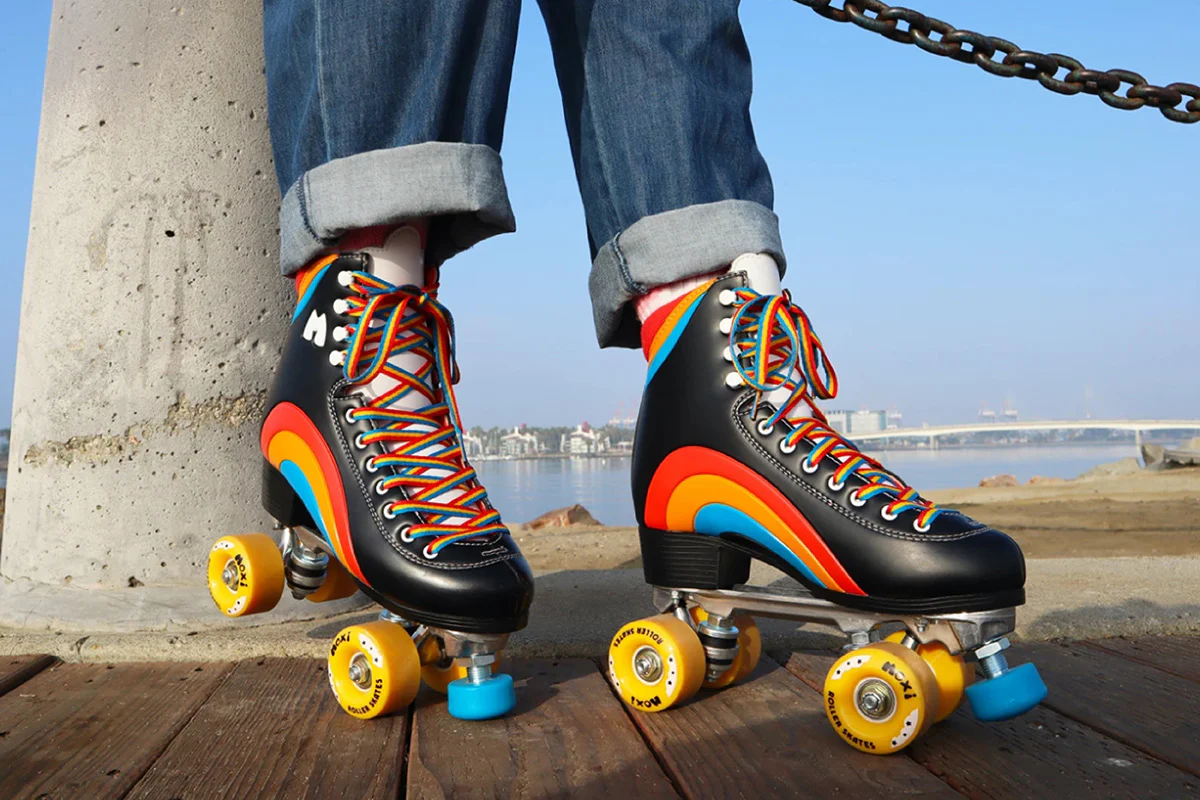
Four-Wheel Setup
- Greater stability for beginners
- Lower ride height
- More controlled and predictable feel
Four-wheel configurations are ideal for new skaters who prioritize balance and stability.
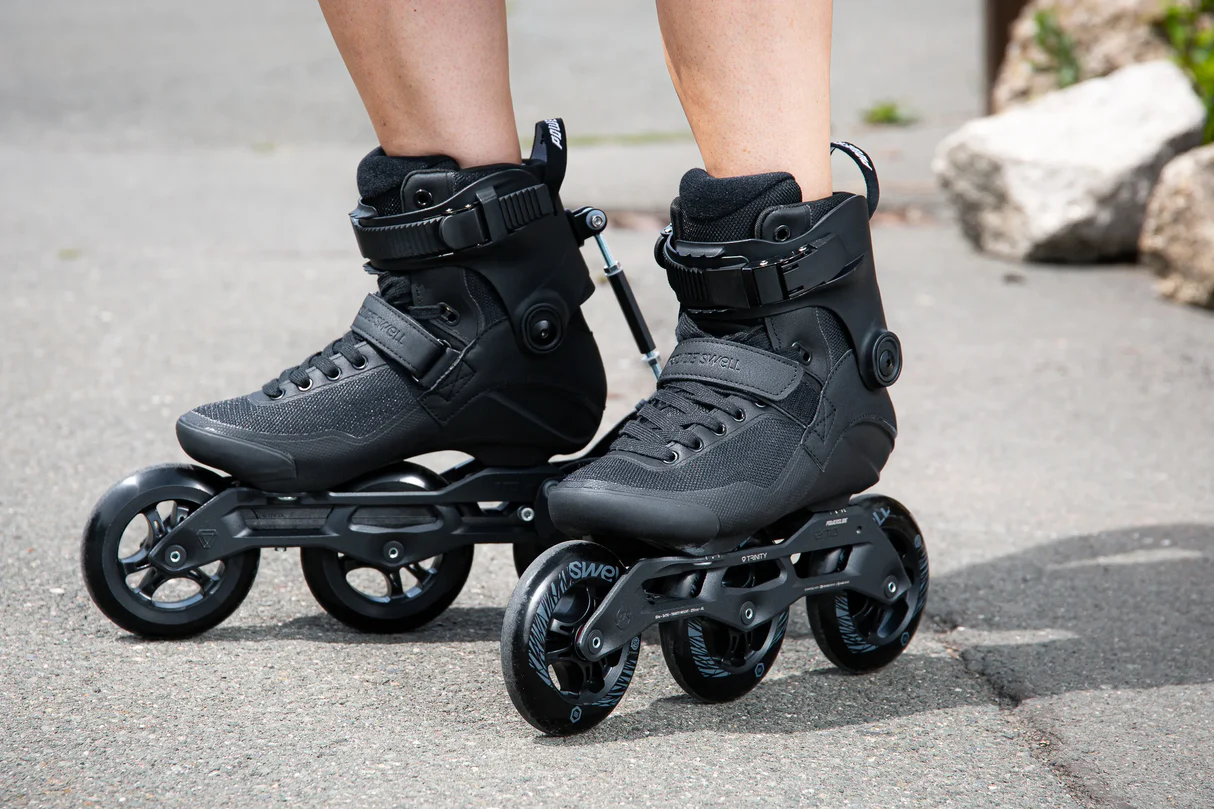
Three-Wheel Setup (Triskate)
- Enhanced maneuverability
- Allows larger wheels for higher speed
- Better roll-over on rough surfaces
Triskates are popular among experienced urban skaters who want speed, flow, and smoother performance over cracks and obstacles.
Final Thoughts
The ideal freeskate depends on your goals and skating environment. Beginners benefit from stable 4-wheel setups, urban skaters need durability and impact resistance, and freestyle riders require precision and agility.
Choose wisely, consider wheel size and hardness, and match your setup to your terrain — and your freeskates will perform exactly as you need them to.